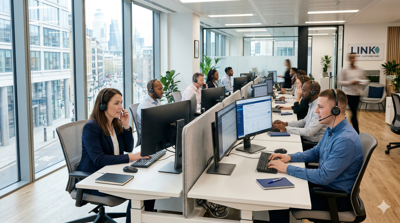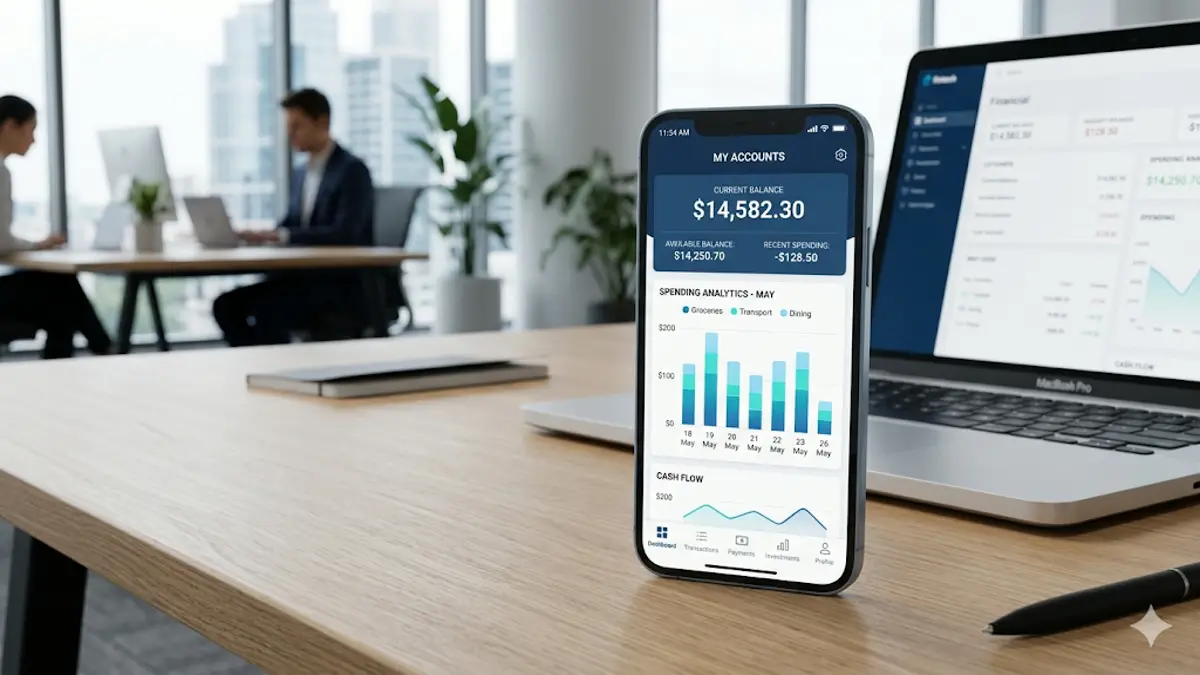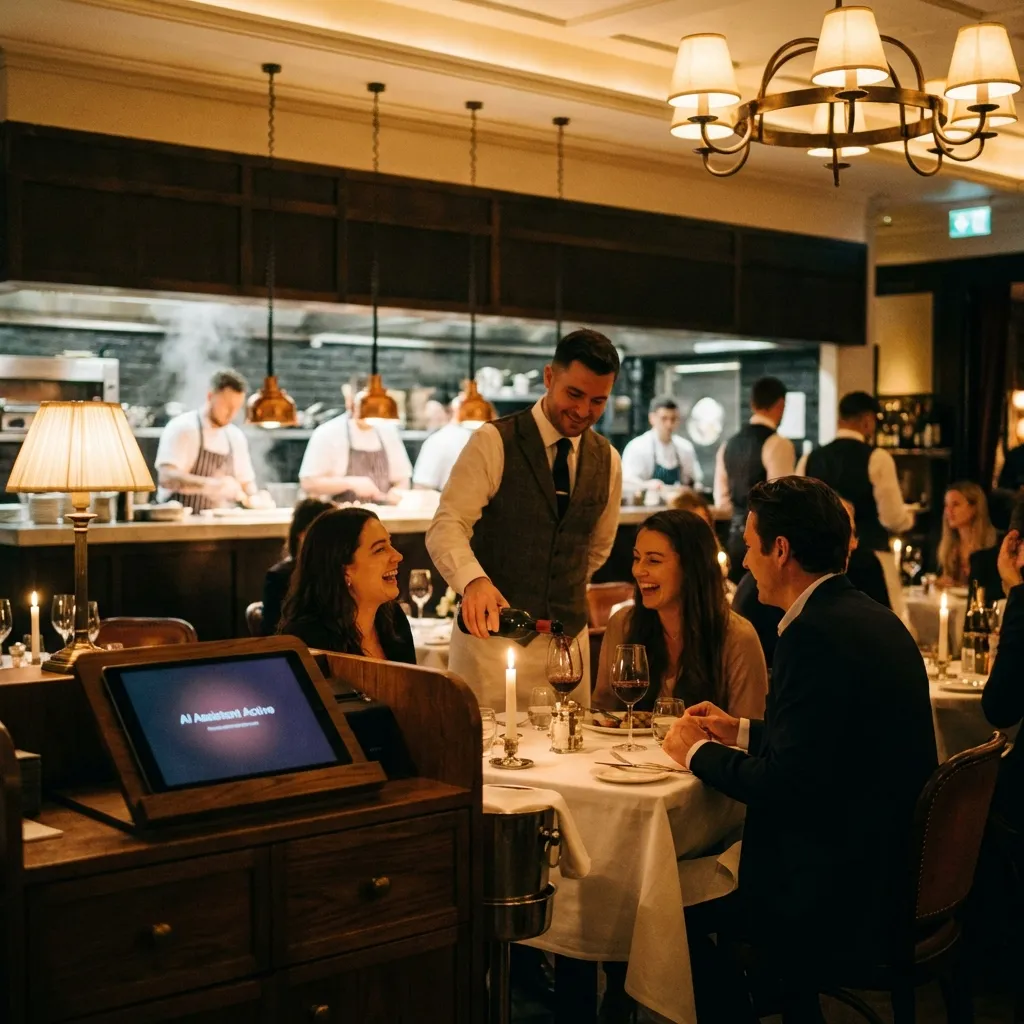
AI phone answering for restaurants is a system that uses conversational AI to automatically handle incoming calls, reservations, and customer queries. Unlike manual call handling or basic phone menus, AI systems respond instantly and reduce missed opportunities.
The short version: AI phone answering isn't voicemail with a better voice. It's a system that actually handles bookings, answers questions, and knows when to pass calls to humans. Works well for busy multi-location restaurants. Not magic, not for everyone.
Most restaurant owners hear "AI phone answering" and picture a slightly fancier voicemail. Press 1 for reservations. Press 2 for directions. Please hold.
That's not what this is.
What AI Phone Answering Actually Means (It's Not Voicemail)
Voicemail records messages. AI phone answering has conversations.
When someone calls your restaurant at 7:30pm on a Saturday, they don't want to leave a message. They want a table for their anniversary. They want to know if you can handle a shellfish allergy. They want to add two guests to tomorrow's booking.
Voicemail says "leave a message after the tone." The caller hangs up and tries your competitor.
An AI system says "I can help with that. For which evening were you thinking?" Then it checks availability, captures details, confirms the booking, and sends a text confirmation. No human required for routine calls.
The key word is "routine." These systems handle predictable requests well. Unpredictable ones—complaints, complex modifications, regulars who deserve recognition—still need your team.
How a Typical AI Booking Call Works
Caller: "Hi, I'd like to book a table for Saturday night, four people, around 7:30?"
The system identifies intent (booking), extracts what's already provided (Saturday, 4 people, 7:30pm preference), and asks only for what's missing.
"I can do 7:30pm this Saturday for four. Can I take a name for the booking?"
Caller gives name. System asks for contact number. Handles the various ways British people say phone numbers—some start with 07, some give +44, some pause mid-way through.
Then confirms everything back: "That's a table for 4 at 7:30pm this Saturday under the name Williams. You'll get a confirmation text shortly. Anything else I can help with?"
Whole call: under two minutes. Four or five exchanges instead of twelve.
The confirmation step matters more than it sounds. Without it, callers hang up wondering if the booking actually happened. A clear summary and a text confirmation builds trust that a robot transaction often lacks.
What Changes for Your Front-of-House Team
The phone still rings. Your team just doesn't have to answer every call.
During a typical Friday dinner service, a busy restaurant might get 20-30 calls. Before AI, your host answered them while greeting guests, managing the waitlist, and solving floor problems. Every call was an interruption.
With AI handling routine calls, that same host might take three or four—the genuinely complex ones that need human judgment.
Your staff aren't replaced. They're redirected. Less time reciting opening hours. More time with the guests actually in your restaurant.
The value isn't efficiency for its own sake. It's letting hospitality professionals do hospitality instead of phone administration.
What Realistic Results Look Like
Vendors love throwing around impressive numbers. "90% automation rate!" "Handles 500 calls a day!"
Here's what's actually realistic for UK restaurants:
Call handling rate: 65-80% of calls fully handled by AI, no human needed. The rest escalate—which is correct behaviour, not failure.
Booking call duration: Typically drops from 3-4 minutes to under 2 minutes. Less waiting, fewer questions, faster resolution.
After-hours capture: 15-25% of bookings come outside staffed hours. Previously lost, now captured automatically.
Staff phone time: Reduced 50-70% during peak service. Not eliminated—complex calls still need humans.
These numbers vary by restaurant type, call volume, and how well the system is configured. Anyone promising 95% automation on day one is overselling.
Where AI Phone Systems Struggle
This isn't magic. It has limits.
Accents and background noise. Speech recognition has improved dramatically, but a noisy kitchen combined with unfamiliar accents still causes errors. Systems need training on your actual caller demographics to work well.
Complex requests. "I want to move my booking from Thursday to Friday, add two people, change the time, and can you make sure it's the table by the window?" That's getting escalated to a human. As it should be.
Emotional situations. Complaints, apologies for previous bad experiences, nervous proposal planners who need reassurance—AI can't read emotional context the way your best staff can.
Menu knowledge gaps. "Is the lamb spicy?" works. "What would you recommend for someone who liked the fish last time but wants something different?" doesn't.
The good systems know their limits and escalate gracefully. The bad ones keep trying until the caller gives up in frustration.
Who This Works For (And Who Should Skip It)
| Factor | Good Fit ✅ | Not a Good Fit ❌ |
|---|---|---|
| Call volume | Miss calls regularly during service | Fewer than 50 covers, host has time |
| Staff time | Team spends more time on phones than guests | Owner knows every regular by voice |
| Locations | Multiple sites, inconsistent booking experience | Single location with personal touch |
| Inquiry type | Simple questions eating staff time | Brand built on phone relationships |
| After-hours | Capturing <80% of late booking attempts | Low off-hours demand |
| Maintenance | Willing to update menus/hours regularly | Want "set and forget" |
AI phone answering isn't a product you buy. It's a system you operate. Menu changes, seasonal hours, new policies—they all need updates. "Set and forget" doesn't exist in this category.
The Honest Cost Question
Pricing varies significantly based on call volume, features, and integration complexity. Rough UK market ranges:
Entry level: £150-300/month for basic booking handling, limited customisation.
Mid-market: £300-600/month for multi-location support, CRM integration, custom flows.
Enterprise: £600+ for high-volume operations, multiple languages, deep POS integration.
Compare against the cost of missed bookings and staff phone time. For a restaurant missing 10+ calls per service, the maths usually works. For a quiet café getting five calls a day, probably not.
What to Ask Any Vendor
Before committing to any system:
- What's your escalation rate to humans? (Below 20% is suspicious. Above 40% suggests poor fit.)
- How do you handle UK regional accents?
- What's the process for updating menus and hours?
- Can I hear recordings of actual calls from similar restaurants?
- What happens when the system fails mid-call?
The answers tell you whether they've actually deployed in UK hospitality or just adapted a generic call centre product.
FAQ
How long does setup typically take?
Basic configuration takes 1-2 weeks. Proper optimisation—training on your actual callers, refining edge cases—takes another 4-8 weeks of iteration. Anyone promising "live in 48 hours" is cutting corners.
What happens if the AI can't understand a caller?
Good systems offer immediate escalation: "Let me connect you with someone who can help." The caller reaches a human with context about what they were trying to do. Bad systems keep asking "sorry, can you repeat that?" until the caller hangs up.
Does it integrate with our existing booking system?
Most AI phone systems integrate with major UK restaurant platforms (ResDiary, OpenTable, SevenRooms, Collins). Custom or legacy systems may require additional development. Ask for specifics before committing.
See how a 4-location UK restaurant chain implemented AI phone answering—including what went wrong →